Most websites are built as destinations. But users experience them as checkpoints.
They arrive, verify relevance, and move on — unless something signals that the site is part of an ongoing flow. Research in content behavior shows that users increasingly expect websites to reflect current activity, not just structured information.
They arrive, verify relevance, and move on — unless something signals that the site is part of an ongoing flow. Research in content behavior shows that users increasingly expect websites to reflect current activity, not just structured information.
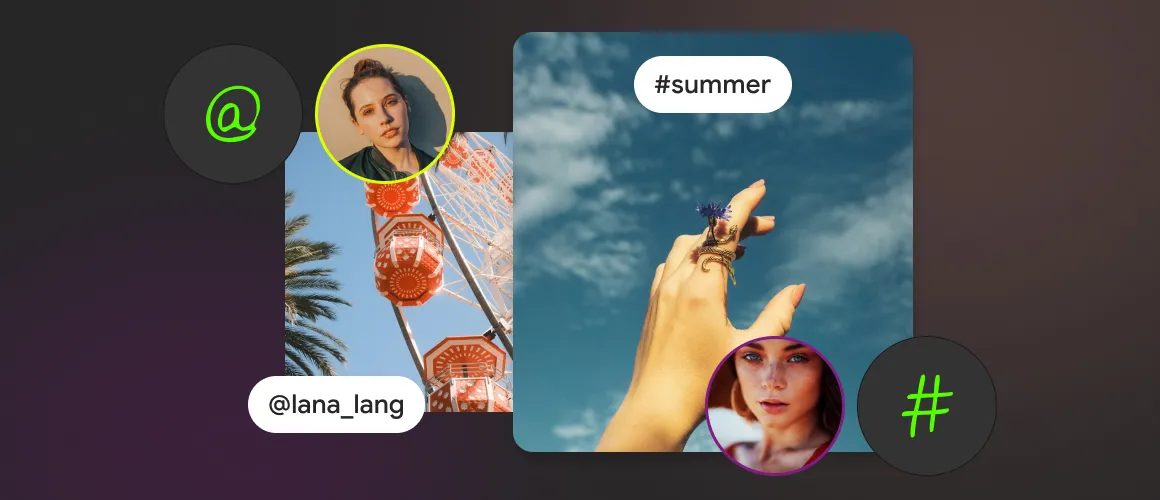
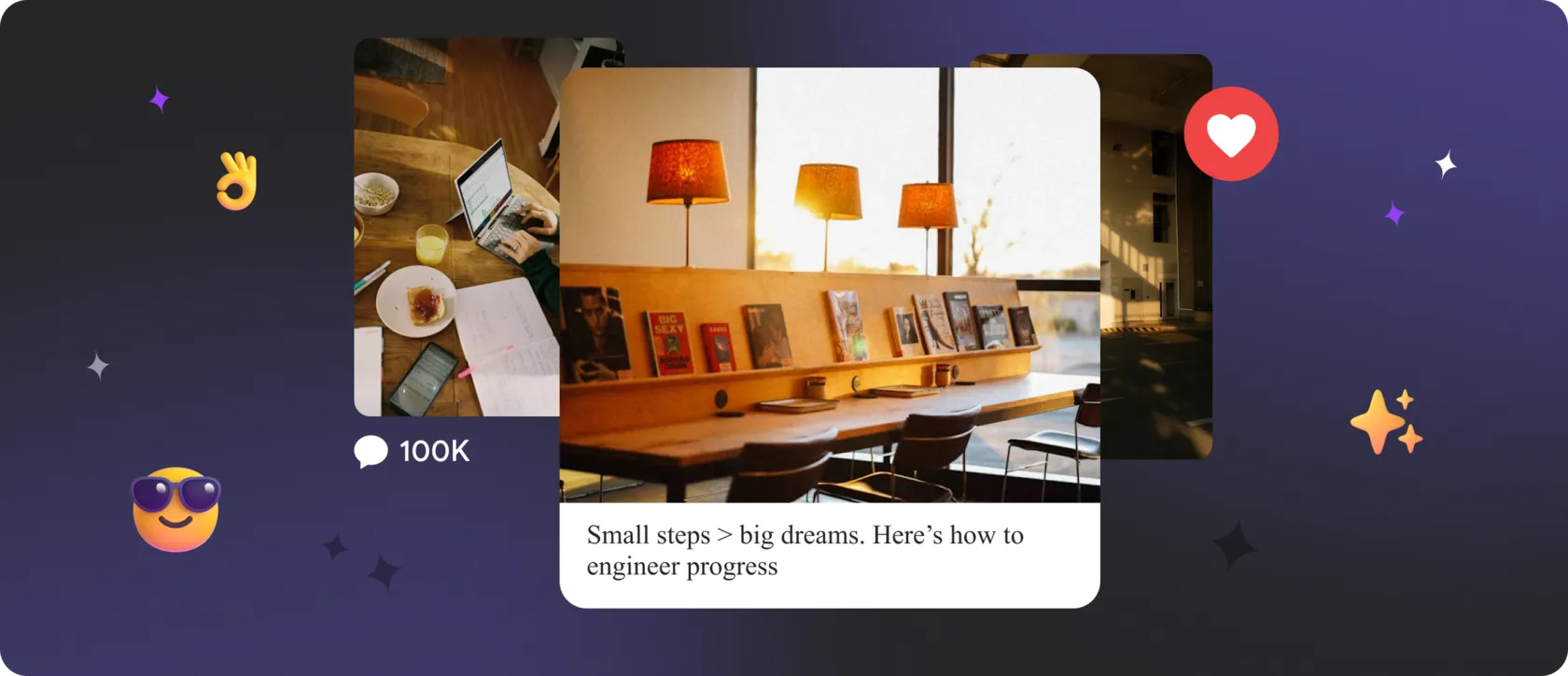
This is where social media posts become valuable — not as embeds, but as content infrastructure.
😱 Websites Struggle with One Core Problem: Content Decay
According to Adobe’s Digital Trends research, users associate outdated or rarely updated content with lower brand quality — even when the information itself is accurate. The issue isn’t correctness; it’s temporal relevance.
Traditional website content decays fast:
Traditional website content decays fast:
- blog posts age,
- landing pages freeze,
- “latest updates” sections become static.
- frequent,
- lightweight,
- designed for rapid consumption.
📈 Why Short, Modular Content Performs Better on the Web
Data from the Content Marketing Institute shows that audiences increasingly prefer short, modular content blocks over long, linear narratives when browsing websites.
Social posts fit this pattern perfectly:
This changes how visitors use the site: they explore instead of consume.
Social posts fit this pattern perfectly:
- concise by design,
- visually segmented,
- easy to scan,
- context-independent.
This changes how visitors use the site: they explore instead of consume.
▶️ Video Posts as the New Default Content Layer
Video is no longer a “rich format” — it’s a baseline expectation.
Wistia’s analysis of on-site video usage shows that pages with embedded short-form video consistently outperform text-only pages in:
Wistia’s analysis of on-site video usage shows that pages with embedded short-form video consistently outperform text-only pages in:
- attention retention,
- message recall,
- perceived clarity.
- they explain quickly,
- they don’t require sound,
- they fit naturally into scroll-based layouts.
⚡️ Social Content Reduces Cognitive Load
An unexpected finding from behavioral UX research: users experience less cognitive friction when interacting with familiar content formats.
Social posts are already learned interfaces. Users know how to read them, scan them, and ignore them if needed.
This familiarity lowers resistance:
Social posts are already learned interfaces. Users know how to read them, scan them, and ignore them if needed.
This familiarity lowers resistance:
- users don’t need instructions,
- they don’t question the format,
- they feel “at home” faster.
📋 From Publishing to Aggregation: A Structural Shift
Gartner’s research on digital content operations highlights a growing trend: high-performing teams are shifting from publishing models to aggregation models.
Instead of asking:
Instead of asking:
“What should we publish next on the website?”
They ask:
“What content already exists that the website can surface?”
Social media is the richest answer to that question.
By aggregating posts into website sections, brands:
By aggregating posts into website sections, brands:
- shorten content cycles,
- reduce maintenance costs,
- keep pages fresh automatically.
✨ How Mirror App Enables This Shift ✨
Mirror App is built around aggregation, not duplication.
From a system perspective, it allows teams to:
From a system perspective, it allows teams to:
- pull content from Instagram, Facebook, TikTok, YouTube, Pinterest, and LinkedIn;
- control how that content appears within page structure;
- update website sections continuously without republishing;
- reuse the same content across multiple pages without inconsistency.
✅ The Operational Payoff Teams Don’t Anticipate
Teams that reuse social content on websites often report:
The website stops competing with social media for content. It benefits from it.
- fewer urgent content requests,
- less pressure on designers and copywriters,
- more consistent “freshness” across pages.
The website stops competing with social media for content. It benefits from it.
🌟 When Social Posts Work Best as Website Content
This approach delivers the most value when:
- social content is published regularly,
- posts reflect real product usage, people, or process,
- different platforms serve different roles (visual, video, professional).
- SaaS products,
- B2B companies with active LinkedIn content,
- eCommerce brands with visual storytelling,
- agencies and studios with ongoing work to show.
💛 From Static Pages to Living Systems
Websites don’t need more text. They need circulation.
By turning social media posts into website content, brands move away from static publishing and toward living systems — where relevance is continuous, not scheduled.
When structured correctly, social posts don’t distract from the website. They sustain it.
By turning social media posts into website content, brands move away from static publishing and toward living systems — where relevance is continuous, not scheduled.
When structured correctly, social posts don’t distract from the website. They sustain it.


FAQ
Our Clients Love Us


Plenty of visual customization — colors, spacing, fonts. I matched the widget perfectly to my portfolio site without writing CSS.

For what you pay, this widget is a steal. Setup was just a few clicks from my dashboard; it looks clean on my site and matches my design. I also appreciate that they keep releasing new features — makes me feel like it's getting better all the time.